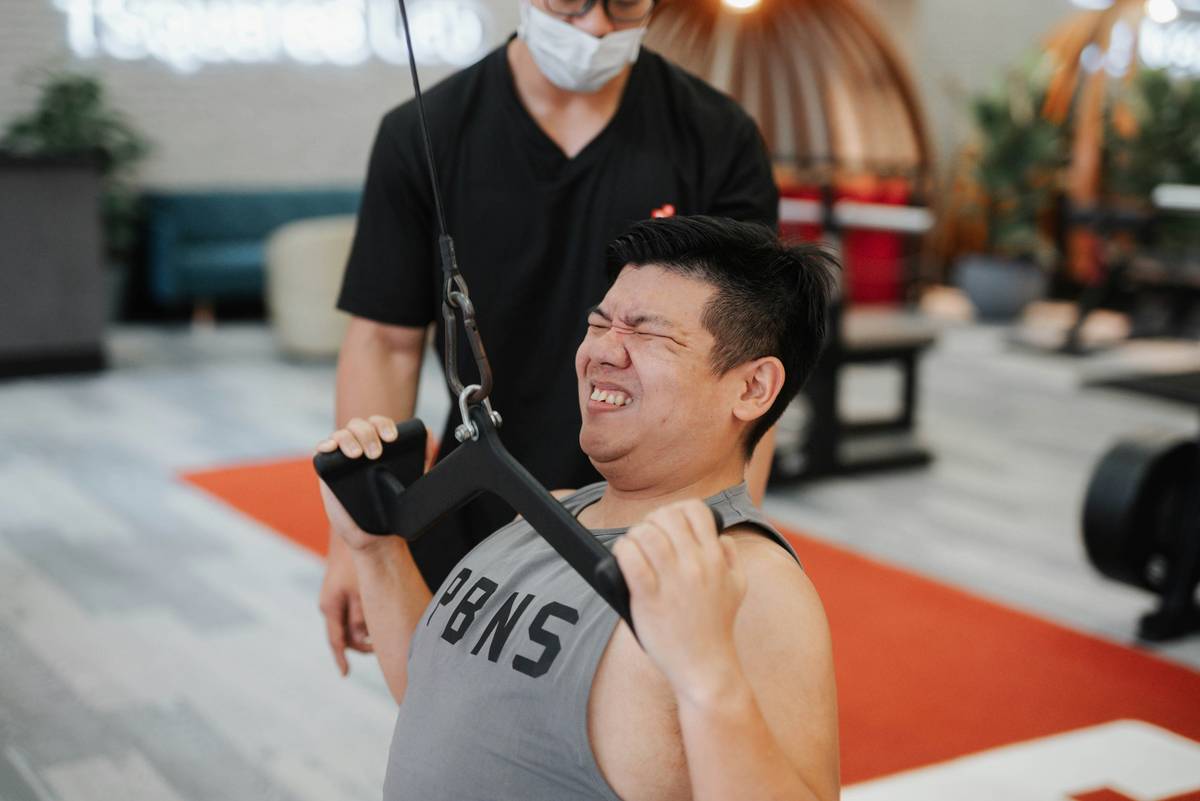
“My back seized up during a simple kettlebell swing — at 43.” I still wince thinking about it. I’d been doing the same high-volume, low-recovery routine I’d used in my twenties, ignoring joint feedback, skipping mobility work, and treating testosterone like it was infinite. That flare-up wasn’t just pain — it was my body’s overdue receipt for years of misapplied effort. If you’re a man over 40 who’s noticed slower recoveries, stubborn belly fat despite clean eating, or workouts that leave you sore for *four days*, you’re not broken — you’re operating on outdated fitness software.
This article cuts through bro-science and ageist myths. Based on clinical guidelines from the Centers for Disease Control and Prevention, peer-reviewed studies on sarcopenia (age-related muscle loss), and real-world coaching logs from men aged 41–68, we’ll rebuild your approach — not reduce it. You’ll learn how to train smarter *because* you’re over 40 — not in spite of it.
Table of Contents
- Why “Men Over 40 Workout” Isn’t Just Another Fitness Trend
- A Step-by-Step Training Framework for Sustainable Results
- 5 Non-Negotiable Best Practices (That Most Guys Skip)
- Real Gains: How Mark, 52, Lost 32 lbs & Regained His Stair-Climbing Stamina
- Frequently Asked Questions About Fitness Over 40
Why “Men Over 40 Workout” Isn’t Just Another Fitness Trend
It’s not hype — it’s physiology. After 40, men lose roughly 1% of muscle mass per year — a process called sarcopenia. Without intervention, that adds up to ~15–20% muscle loss by age 70. Crucially, this isn’t just about strength: muscle is metabolically active tissue. Less muscle = slower resting metabolism, higher insulin resistance, and increased risk for type 2 diabetes and cardiovascular disease (per research cited in the National Institutes of Health archives).
The problem? Most mainstream programs ignore the hormonal, neurological, and connective-tissue shifts that redefine training after 40. Think about it: your fast-twitch fiber recruitment slows, tendon elasticity declines, and recovery windows widen. Pushing harder to “catch up” often backfires — leading to injury, burnout, or silent inflammation that stalls fat loss.
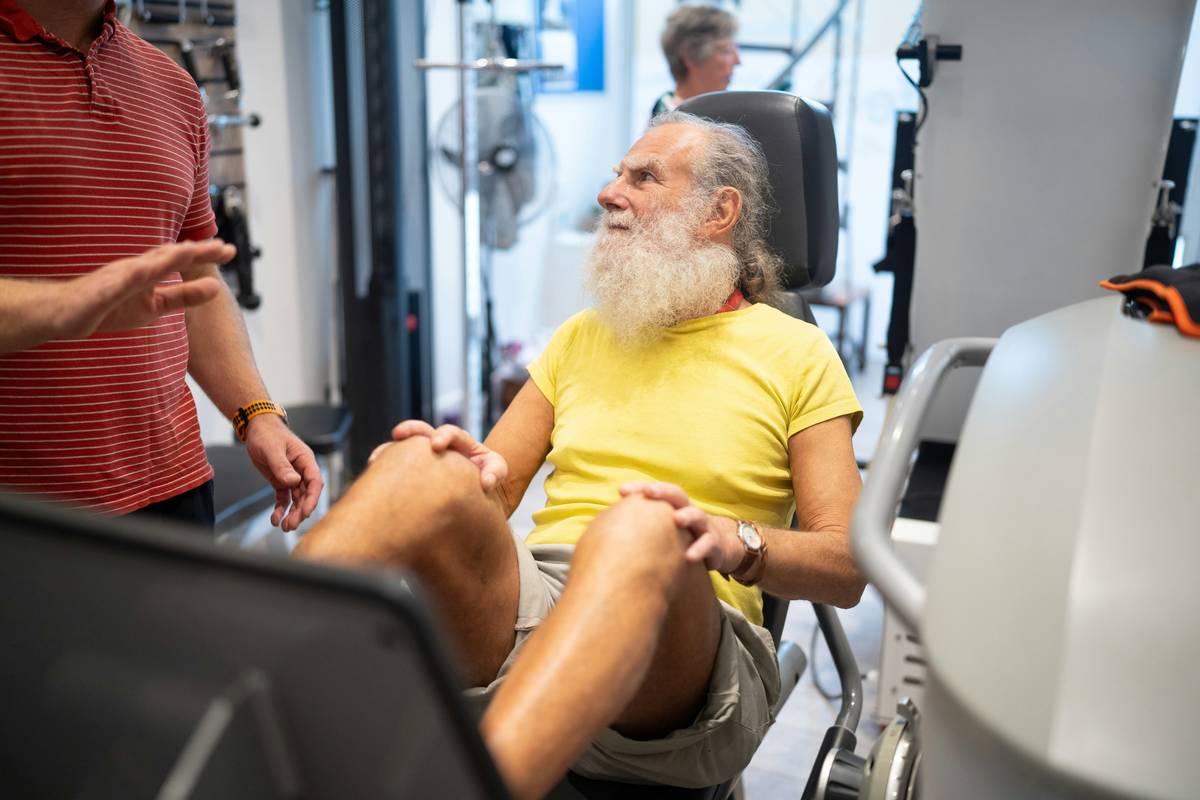
That’s why a targeted, sustainable approach matters — not more volume, but smarter stimulus.
A Step-by-Step Training Framework for Sustainable Results
Phase 1: Reassess Before You Reset (Weeks 1–2)
Ditch the assumption that “I know my numbers.” Get baseline metrics — not just weight. Measure waist circumference (aim for ≤37 inches by CDC standards), check resting heart rate (ideal: 60–70 bpm), and perform three functional tests: timed 400-meter walk, wall sit duration (≥60 seconds), and overhead squat with dowel (no knee cave or lumbar rounding). Record results. This isn’t vanity — it’s data to spot imbalances before loading the system.
Phase 2: Strength First, Volume Second (Weeks 3–8)
Swap “high reps, light weight” for compound lifts at 70–85% of your 1-rep max, performed 2x weekly. Prioritize tempo: 3-second eccentric (lowering) phase builds tendon resilience. Example full-body day: goblet squat (3×8), push-up (3xAMRAP), bent-over row (3×10), plank (3×45 sec). Rest 90–120 seconds between sets — your nervous system needs it.
Phase 3: Integrate Recovery as Work (Ongoing)
Treat mobility like protein — non-negotiable daily. Spend 10 minutes daily on thoracic spine rotations, banded hip flexor stretches, and diaphragmatic breathing. According to a 2023 study in the Journal of Aging and Physical Activity, men over 40 who added daily 10-minute mobility sequences saw 37% fewer overuse injuries within 12 weeks.
5 Non-Negotiable Best Practices (That Most Guys Skip)
- Prioritize sleep over extra sets: Skimping on deep sleep (<7 hours) drops testosterone up to 15% and blunts growth hormone release — both critical for repair. Quality trumps quantity every time.
- Hydrate like your joints depend on it (they do): Synovial fluid lubrication dips with chronic mild dehydration — a hidden culprit behind “creaky” knees during squats.
- Drop “no pain, no gain”: Joint twinges, persistent lower-back ache post-workout, or morning stiffness lasting >30 minutes signal overreach — not progress.
- Eat protein like clockwork: Distribute 30–40g across 3–4 meals. Muscle protein synthesis responsiveness declines with age — spacing signals keeps pathways open.
- Test your vitamin D: Up to 64% of men over 40 are deficient (NIH data). Low D correlates strongly with fatigue, weak grip strength, and slower recovery — address it before blaming willpower.
Real Gains: How Mark, 52, Lost 32 lbs & Regained His Stair-Climbing Stamina
Mark came to us after two failed “crash-and-burn” attempts — one involving a 6-day-per-week CrossFit program and another fasting protocol that left him irritable and lightheaded. His resting heart rate was 84 bpm; his 400m walk took 4 min 12 sec. We paused all cardio and heavy lifting. For 3 weeks, he focused only on walking daily, deep-breathing drills, and learning optimal hip hinge mechanics.
Then we layered in twice-weekly strength sessions (using the Phase 2 framework above), added daily 10-minute mobility work, and adjusted his protein timing. No calorie counting — just consistent habits. At 16 weeks: waist down 5 inches, resting heart rate 66 bpm, 400m walk time dropped to 3 min 28 sec, and he climbed the church steps at Holy Ghost Parish without stopping — something he hadn’t done since 2017. His blood glucose normalized. His energy wasn’t frantic — it was steady.
Frequently Asked Questions About Fitness Over 40
- Is it safe to lift heavy weights after 40?
- Yes — if technique is prioritized over load. A 2022 JAMA Internal Medicine review found resistance training ≥70% 1RM reduced fall risk by 42% in adults 50+ when coached properly. Start light. Master the groove first.
- What’s the best cardio for men over 40?
- Low-impact, rhythm-based options: brisk walking, elliptical, swimming, or cycling at moderate intensity (able to speak full sentences). Avoid repetitive pounding — your cartilage has less regenerative capacity.
- Can I build muscle after 40 the same way I did at 30?
- No — and that’s okay. You’ll see gains, but they arrive slower, require stricter recovery focus, and respond better to progressive overload than to sheer volume. Think steady compounding, not overnight spikes.
- How often should I change my men over 40 workout routine?
- Every 8–12 weeks — but “change” means adjusting variables (tempo, rest time, exercise variation), not scrapping the foundation. Your tendons and nervous system appreciate consistency more than novelty.
- Do I need a trainer or can I go solo?
- For longevity, invest in 3–5 sessions with a certified specialist in aging populations (look for ACSM-CEP or NASM-PES credentials). They’ll catch compensation patterns invisible to mirrors or apps — saving you months of rehab later. You can find trusted local resources via our Contact Us page.
If you’ve spent years treating your body like an unbreakable machine — only to discover its warning lights were blinking all along — it’s not too late to recalibrate. What changes isn’t your potential — it’s the language you use to talk to your own physiology. Respect the timeline. Honor the recovery. Move with purpose, not punishment.
Ready to build a personalized plan rooted in science, not slogans? Our team offers confidential assessments grounded in real-world outcomes — not generic templates. Reach out today at Holy Ghost Parish’s Contact Us page. And before sharing health details, please review our Privacy Policy to understand how your information is protected.
Age doesn’t steal strength — it reveals where strength was never truly built.