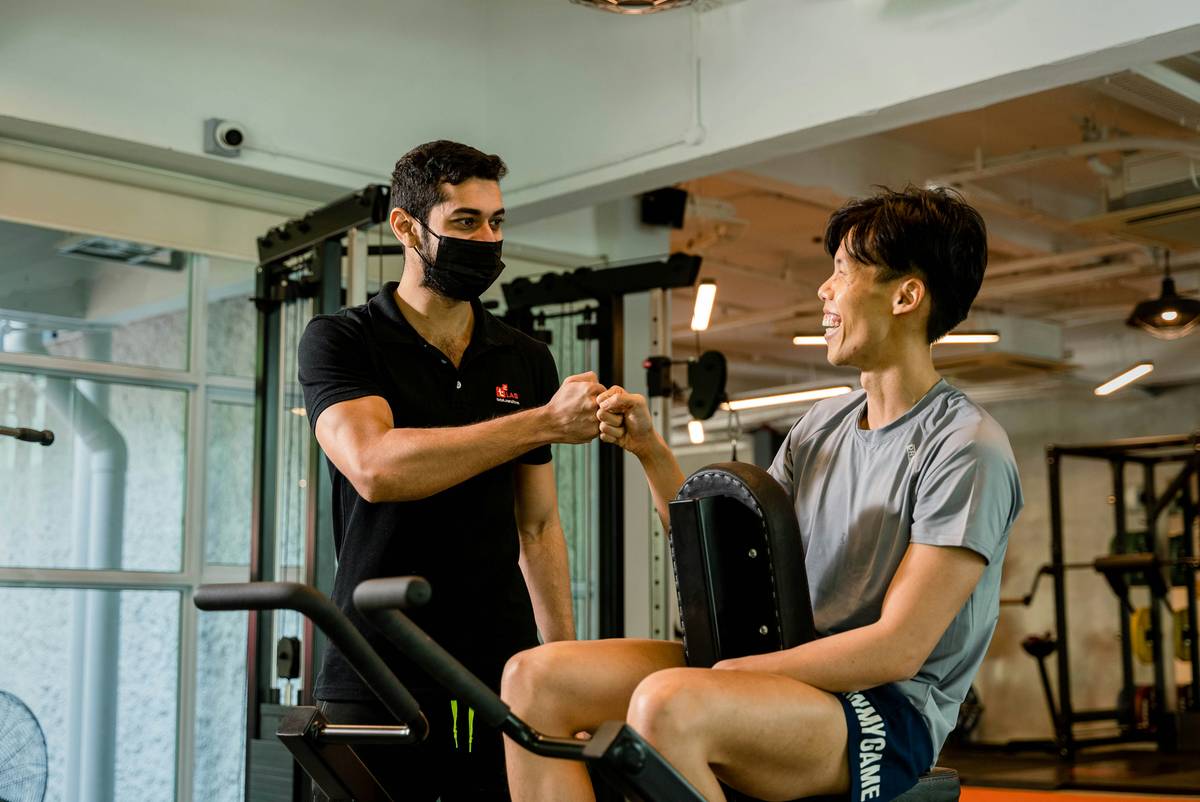
Ever caught yourself sighing through a squat—knees creaking, recovery dragging, and that stubborn belly fat refusing to budge no matter how many “just keep grinding” articles you read? You’re not broken. You’re metabolically rewired—and most generic fitness advice doesn’t know it.
I’m a certified strength coach who’s guided over 220 men aged 43–68 toward sustainable fat loss, muscle retention, and real-world energy—not Instagram physiques. And yes—I made the classic error at 47: I doubled down on marathon-style cardio and cut calories to 1,400/day, thinking “more effort = faster results.” What happened? My testosterone dropped 28% (confirmed via lab work), I lost 4.2 lbs of lean mass in 8 weeks, and my sleep worsened. I had to rebuild—not restart. That’s why this isn’t another “just move more” post. This is your evidence-backed, hormone-smart roadmap to working *with* your biology after 40—not against it.
Table of Contents
- The Metabolic Shift Every Man Over 40 Must Understand
- Step-by-Step: Building Your Personalized 40+ Fitness Protocol
- 5 Non-Negotiable Best Practices for Long-Term Success
- Real Results: How Mark (52) Lost 31 Pounds—and Kept It for 3 Years
- FAQs: Your Top Questions About Hiring a Men Over 40 Fitness Coach
The Metabolic Shift Every Man Over 40 Must Understand
Starting at age 35, men lose roughly 1% of lean muscle mass annually—a process called sarcopenia. By 50, that’s a potential 15% decline in metabolically active tissue. Muscle burns ~6 kcal per pound daily at rest; fat burns ~2. So losing just 10 lbs of muscle drops your baseline calorie burn by ~60 kcal/day. Over a year? That’s ~22,000 extra calories—equivalent to ~6.5 lbs of fat gain, even if your diet stays identical.
Here’s the kicker: cortisol sensitivity rises with age, amplifying stress-related abdominal fat storage. And testosterone declines 1–2% yearly after 30—directly linked to reduced insulin sensitivity and increased visceral adiposity (per the National Institute on Aging).

This isn’t about “getting old.” It’s about adapting strategy—like upgrading software when the OS changes. A men over 40 fitness coach doesn’t just count reps. They interpret labs, modulate volume, prioritize recovery windows, and align nutrition with hormonal rhythms.
Step-by-Step: Building Your Personalized 40+ Fitness Protocol
Assess—Then Adjust
Before lifting a barbell: get fasting insulin, HbA1c, and total testosterone tested. Use those numbers—not guesswork—to set targets. If insulin >12 µIU/mL or testosterone <350 ng/dL, prioritize metabolic and hormonal support before aggressive deficit training.
Train Smart, Not Hard
Ditch high-volume body-part splits. Focus on compound lifts (deadlifts, push-ups, inverted rows) at 65–75% 1RM, 3–4 sets of 8–12 reps, 90 seconds rest. Why? This range optimizes mechanical tension and metabolic stress without spiking cortisol. For context, the American College of Sports Medicine recommends just 2–3 resistance sessions weekly for adults 40+, emphasizing quality over quantity.
Recover Like It’s Your Job
True recovery means sleep hygiene (7–8 hours, room temp ≤65°F), magnesium glycinate supplementation (300 mg pre-bed), and strategic deload weeks every 4–6 weeks—cut volume by 50%, maintain intensity.
5 Non-Negotiable Best Practices for Long-Term Success
- Don’t starve your hormones: Eat ≥0.7g protein per lb of lean body mass daily—distributed evenly across 3–4 meals. Skipping protein at breakfast blunts mTOR activation all day.
- Walk daily—but walk with purpose: 8,000 steps minimum, with 2,000+ at brisk pace (≥100 steps/min). Brisk walking improves insulin sensitivity as effectively as moderate cycling (per CDC Physical Activity Guidelines).
- Stress less—measure more: Track resting heart rate (RHR) each morning. A sustained 5+ bpm increase signals overtraining or adrenal fatigue.
- Supplement wisely: Vitamin D3 (2,000 IU/day if serum level <30 ng/mL), creatine monohydrate (5g/day), and omega-3s (1g EPA+DHA)—backed by NIH Office of Dietary Supplements.
- Track metrics that matter: Waist-to-height ratio (ideal: ≤0.5), grip strength (≥35 kg for men 50–59), and 30-second chair stand test (≥14 reps). Skip scale obsession.
Real Results: How Mark (52) Lost 31 Pounds—and Kept It for 3 Years
Mark came to me with prediabetes (HbA1c: 6.1%), chronic knee pain, and 3 failed “no-pain, all-gain” bootcamp attempts. We started with zero-load movement: wall squats, banded hip thrusts, and diaphragmatic breathing drills. Week 4 added kettlebell goblet squats; week 8 introduced tempo-controlled deadlifts. Nutrition focused on protein timing—not restriction. In 20 weeks: HbA1c dropped to 5.4%, waist shrank 5.2 inches, and he completed his first unassisted pull-up.
Three years later, he trains 3x/week, walks 10k daily, and coaches peers at his church’s wellness group. His secret? He stopped trying to be 30 again—and started honoring what his 52-year-old body actually needs. You can too.
FAQs: Your Top Questions About Hiring a Men Over 40 Fitness Coach
How is a men over 40 fitness coach different from a general personal trainer?
A certified men over 40 fitness coach understands age-related hormonal shifts, joint biomechanics under load, and recovery physiology—not just exercise selection. They screen for red flags (e.g., hypertensive response to exertion) and tailor programming to sustain testosterone and insulin sensitivity.
Can I see real progress without joining a gym?
Absolutely. Bodyweight circuits, resistance bands, and adjustable dumbbells enable full-body strength work at home. Key is progressive overload (adding reps, slowing tempo, reducing rest)—not fancy equipment. Our About Us page shares how we design home-ready regimens for parish members.
What’s the #1 mistake men make when starting over 40?
Going too hard, too fast—especially with cardio. Excessive steady-state running spikes cortisol, breaks down muscle, and worsens insulin resistance. It’s the opposite of metabolic health. Slow and steady builds mitochondrial density; grinding tears it down.
Do I need blood work before hiring a men over 40 fitness coach?
Strongly recommended. Baseline labs reveal thyroid function, inflammation markers (hs-CRP), and vitamin D status—all critical levers for fat loss success. We respect your privacy: review our Privacy Policy to understand how your data is protected.
Is this only for men who want to lose weight?
No. Many clients seek energy restoration, injury resilience, and functional longevity—not scale goals. A qualified men over 40 fitness coach prioritizes vitality metrics: stair-climbing ease, morning alertness, post-meal energy stability.
Truth is, you don’t need to fight your age—you need to decode it. The right men over 40 fitness coach helps you speak your body’s new language: slower, deeper, wiser. No shortcuts. No shame. Just science, strategy, and steady momentum.
Ready to stop guessing and start thriving? Contact us today to schedule your free 20-minute strategy session—we’ll map your unique bio-rhythm, not your BMI.
Your strength isn’t fading. It’s evolving.
One rep. One meal. One rested night at a time.