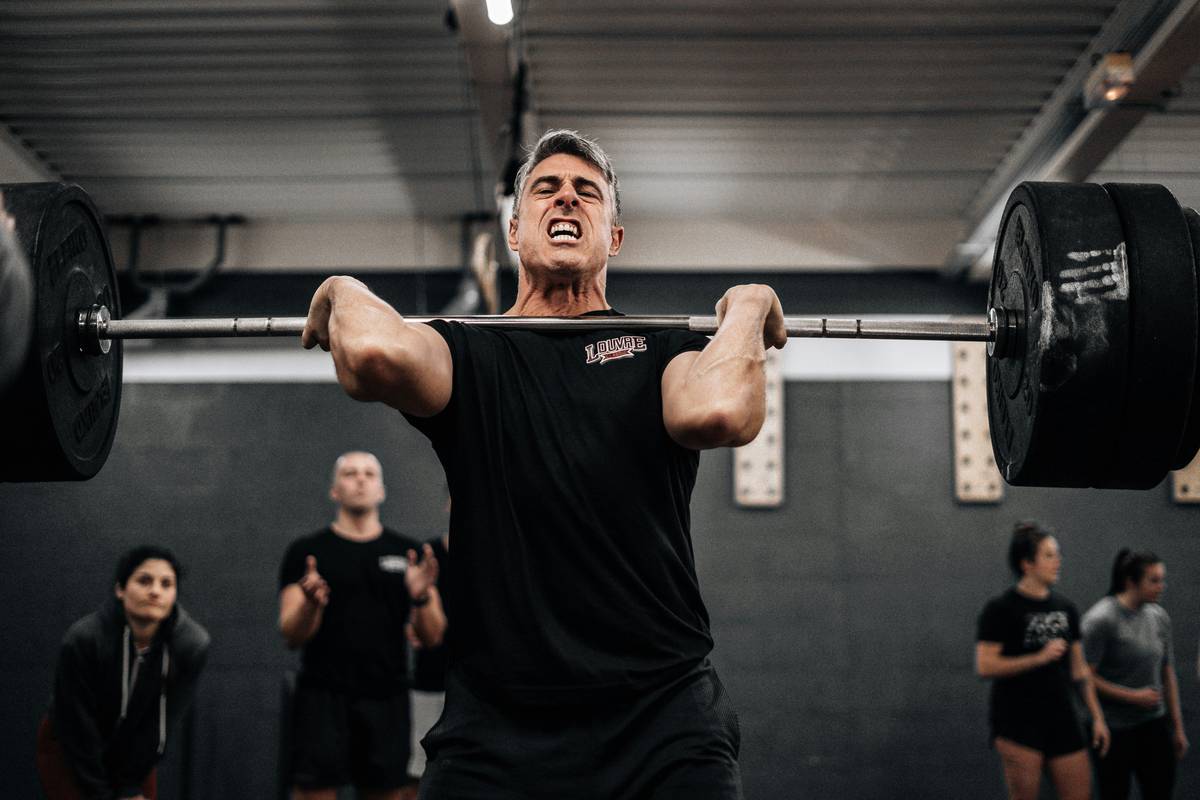
If you’re a man over 40 staring at the gym mirror wondering whether you should lift heavier or just “stay active,” you’re not alone. Many guys confuse general fitness with targeted strength training—and that confusion costs them muscle, mobility, and metabolic health. This guide cuts through the noise with actionable, age-specific strategies so you build real strength without burning out or getting injured.
Table of Contents
- Why Strength Training Over Fitness How Much Matters After 40
- Your Step-by-Step Strength Blueprint
- 5 Best Practices for Sustainable Gains
- Real Results: What Works (and What Doesn’t)
- Frequently Asked Questions
Key Takeaways
- General “fitness” often lacks the progressive overload needed to combat age-related muscle loss (sarcopenia).
- Lifting heavy 2–3 times weekly beats endless cardio for preserving metabolism and bone density after 40.
- Form > weight. Sacrificing technique for ego lifts leads to injuries that derail progress for months.
- Recovery isn’t optional—it’s part of the program. Sleep, protein, and deload weeks are non-negotiable.
Why Strength Training Over Fitness How Much Matters After 40
Let’s be honest: “staying fit” sounds noble but is dangerously vague. Walking 10,000 steps or doing weekend yoga won’t stop the 3–8% muscle loss per decade that starts around age 30 (NIH, 2018). That’s sarcopenia—and it steals your independence faster than you think. I learned this the hard way at 43 when I skipped squats for “active recovery” hikes for six months… only to struggle lifting my own grocery bags. Ouch.
Your Step-by-Step Strength Blueprint
1. Audit Your Current Routine
Track everything for one week: cardio minutes, weights lifted, rest days. If strength work is under 150 minutes weekly, you’re likely in maintenance—not growth—mode.
2. Prioritize Compound Lifts
Focus on big movements: squats, deadlifts, bench presses, rows, and overhead presses. These recruit multiple muscle groups and trigger systemic hormonal responses crucial for muscle synthesis.
3. Program Progressive Overload
Add 2.5–5 lbs to lifts weekly or increase reps by 1–2 per set. Consistency here beats sporadic hero sessions.
4. Schedule Deloads
Every 6–8 weeks, reduce volume by 50% for one week. This prevents burnout and lets connective tissues catch up—a lesson I ignored until my shoulder screamed during a pull-up session.
5 Best Practices for Sustainable Gains
- Eat Enough Protein: Aim for 1.6–2.2g per kg of body weight daily (Healthline, citing ISSN).
- Sleep Is Your Secret Weapon: Muscle repair peaks during deep sleep—prioritize 7–8 hours nightly.
- Warm Up Properly: Spend 10 minutes on dynamic stretches and light sets before heavy lifting.
- Track Recovery Metrics: Resting heart rate, joint pain, and energy levels tell you more than scale weight.
- Avoid the “Cardio Crutch”: Endless treadmill sessions won’t rebuild lost muscle mass—strength training will.
Real Results: What Works (and What Doesn’t)
A 2022 study in the Journal of Aging and Physical Activity tracked men 40–65 doing either moderate cardio or strength-focused regimens for 12 weeks. The strength group gained 3.2 lbs of lean mass, improved insulin sensitivity by 28%, and reported better mood scores—while the cardio-only group saw minimal body composition changes. My friend Mark, 47, followed a similar protocol: 3x weekly full-body lifts, 120g protein/day. In 5 months, he dropped 14 lbs of fat and deadlifted 315 lbs for the first time since college. That’s the power of prioritizing strength training over fitness how much.
Now, the terrible tip you’ll hear everywhere: “Just do bodyweight exercises forever.” Sure, push-ups are great—but without external resistance, you plateau fast after 40. Your muscles need novelty and load to grow. Don’t fall for the “minimalist fitness” myth that keeps you weak.
And can we rant for a sec? Why do so many “men’s health” influencers sell 20-minute “toning” workouts that ignore progressive overload? Real strength isn’t sexy in a TikTok clip—but it’s what lets you play with your grandkids without back pain.
Frequently Asked Questions
How often should men over 40 strength train?
Aim for 2–3 full-body sessions weekly with 48 hours between sessions targeting the same muscles. More isn’t better—recovery is part of the process.
Can I build muscle after 50?
Absolutely. Research confirms older adults respond well to resistance training—sometimes better than younger folks due to superior focus and consistency.
What if I have joint pain?
Modify exercises (e.g., swap barbell squats for goblet squats) and emphasize tempo control. Always consult a physical therapist before starting. See our Privacy Policy if you share health data with trainers.
Is strength training safe for heart health?
Yes—when done correctly. It lowers blood pressure long-term. But get clearance from your doctor if you have cardiovascular conditions.
How does strength training affect testosterone?
Heavy compound lifts cause acute, temporary boosts—but sustainable levels rely more on sleep, stress management, and body fat percentage.
Where can I learn proper form?
Start with certified trainers or trusted resources like ExRx.net. And hey—our team at Holy Ghost Parish partners with local fitness pros who specialize in mature athletes.
Look, “strength training over fitness how much” isn’t just semantics—it’s the difference between aging actively or merely surviving. Pick up the iron, respect recovery, and remember: muscles built today carry you tomorrow. Ready to build a stronger next decade? Contact us to join our men’s wellness community.
Iron rusts from disuse. So do we.